Who should not eat coconut milk
Who should not eat coconut milk is an important question for many people who love this dish. Although coconut milk brings many nutritional benefits, has natural fat and a delicious flavor, not everyone is suitable to use this ingredient every day. Understanding the subjects who should limit or avoid coconut milk helps protect health and avoid unwanted reactions. Join Vietseafarm to research and learn in detail to use coconut milk safely and reasonably.
Who should not eat coconut milk
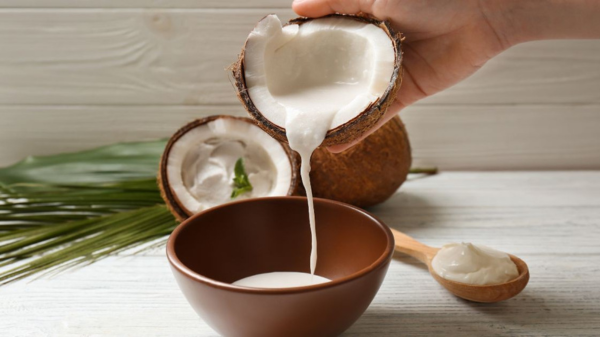
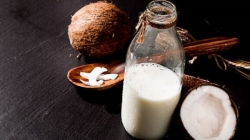
Coconut milk is a familiar ingredient in many Vietnamese dishes, providing fat, natural aroma and high nutritional value. However, because of the large saturated fat content, not everyone is suitable to use this food. Below are the subjects who should not or need to limit eating coconut milk, helping you use it properly and more safely.
People who are obese or on a diet
Coconut milk contains a lot of calories and fat, especially saturated fat. Regular consumption, especially in sugary dishes such as sweet soup, sticky rice, and cakes, can cause rapid weight gain. People who are in the process of losing weight, dieting, or have a high body fat ratio should limit or only use a very small amount so as not to affect the weight control process.
People with cardiovascular disease or high cholesterol
The saturated fat content in coconut milk, if consumed in excess, can increase bad cholesterol (LDL), which is harmful to the heart. For people with a history of atherosclerosis, high blood pressure, high blood fat, or heart disease, eating a lot of coconut milk can increase the risk of complications. They can still use it, but they must limit the amount and choose dishes with less sugar.
People with diabetes
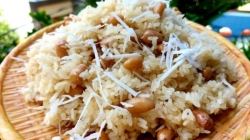
Coconut milk itself does not have a lot of sugar, but most dishes containing coconut milk are combined with starch and sugar (sweet soup, cakes, sticky rice, etc.). This causes blood sugar levels to increase rapidly. People with diabetes need to be especially careful, should only use small amounts, prioritize bland dishes and monitor their body's reactions after eating.
People with digestive disorders or weak digestive systems
Because it contains a large amount of fat, coconut milk can cause bloating, indigestion or abdominal pain in people with poor digestive systems. Children, the elderly, people with gastritis, reflux or digestive disorders should limit it to avoid putting pressure on the stomach. On days when the body is tired and digestion is weak, it is best to temporarily avoid dishes with a lot of coconut milk.
People with diarrhea or intestinal infections
During diarrhea, the body needs light and easily digestible foods. The fat in coconut milk can make the condition worse and prolong the recovery time. People with intestinal infections, acute digestive disorders or loose stools should completely stop eating coconut milk.
People allergic to coconut or foods containing vegetable oil
Although not common, some people with coconut allergies will experience symptoms such as itchy throat, rash, nausea or difficulty breathing when eating coconut milk. These cases should be avoided completely and food ingredients should be checked carefully before use.
Pregnant women with heat in the body or gestational diabetes
Pregnant women can still eat coconut milk, but if they are prone to heat in the body, constipation, bloating or gestational diabetes, they should limit it. Fatty foods such as sweet soup, sticky rice, and cakes can make the body tired, difficult to digest and increase the risk of high blood sugar. Pregnant women should only eat small amounts and balance with their daily diet.
Harmful effects of coconut milk when consumed in excess
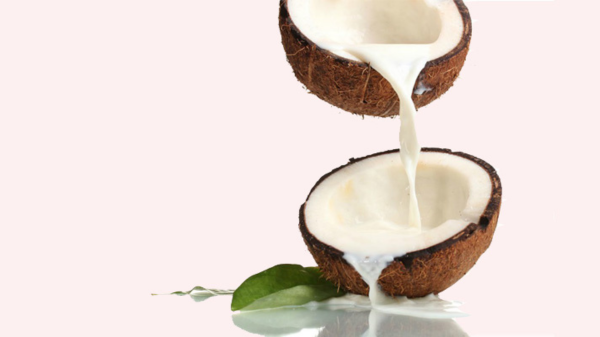
Coconut milk has long been associated with Vietnamese cuisine, especially in typical dishes of the South such as banh tam bi, banh xeo, banh khot, che, xoi, banh it or banh nep. Although it is a plant-based ingredient, coconut milk contains a fairly high content of saturated fatty acids. This makes excessive consumption possible to cause many negative effects on health if not properly controlled.
Effects cholesterol levels
Although coconut milk does not contain cholesterol, it directly affects the lipid metabolism process in the body. Some studies show that saturated fat in coconut milk can increase both LDL (bad cholesterol) and HDL (good cholesterol). This effect may vary depending on each person's constitution, especially for those who already have cardiovascular problems or high blood lipids.
Some other studies have also noted that fatty acids in coconut milk have the ability to increase HDL more than LDL, which can bring certain benefits to the cardiovascular system. However, if used too much, especially in sweet dishes combined with sugar and starch, the risk of increased blood fat and affecting cardiovascular health is still very likely to occur. Therefore, controlling the amount of coconut milk consumed is extremely important to keep the cardiovascular system stable.
Easy to gain weight
One of the most common side effects of eating too much coconut milk is weight gain. The reason is that coconut milk contains a lot of calories from fat. When consumed continuously and exceeding the daily energy needs, the body will store the excess as fat. This is especially disadvantageous for those who are dieting, want to lose weight or have a high body fat ratio.
Nutrition experts often advise that coconut milk can still be used but the amount must be adjusted appropriately, combined with a balanced diet and calorie control to avoid unwanted weight gain.
Easily causes diarrhea and affects the digestive system
In some people with sensitive constitutions, coconut milk can cause indigestion, bloating, diarrhea or stomach upset due to its high fat content. This often occurs in:
Children
Elderly people
People with digestive disorders
People who are not used to eating fatty foods
If the digestive system does not process fat well, coconut milk can easily stimulate intestinal motility, causing loose stools or discomfort after eating.
Affects blood sugar
Although coconut milk has low carbohydrates and does not increase blood sugar too quickly, dishes made from coconut milk often contain a lot of sugar such as sweet soups, cakes, sticky rice, etc. This causes blood sugar levels to rise higher than normal, making it difficult to control for people with diabetes.
Therefore, people with diabetes can still eat it but need to limit portions, avoid dishes that are too sweet and should check blood sugar after eating to ensure safety.
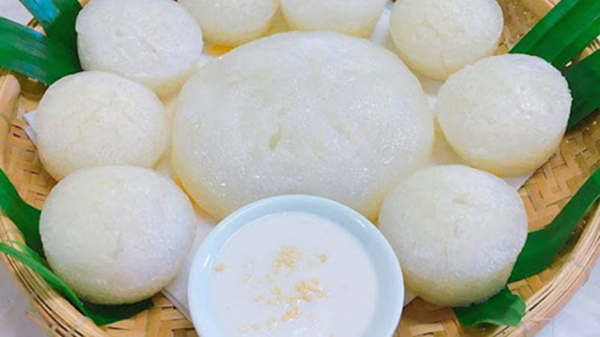
Where can you find the most reputable and high-quality coconut milk?
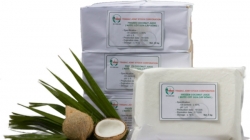
When you are looking for a reputable and high-quality source of coconut milk, especially for cooking sweet dishes such as sticky rice, cakes, sweet soups, or for professional culinary processing, Viet Seafarm is one of the most reliable choices. Here are the reasons why Viet Seafarm is highly appreciated, as well as the highlights that make their products suitable for both family and production needs.
Viet Seafarm focuses heavily on coconut products such as coconut milk, coconut cream, coconut meat, coconut flour, etc. This shows that they do not just produce “randomly” but really have the expertise and system to process coconut according to a high-quality process.
The coconut ingredients at Viet Seafarm are carefully selected, ensuring freshness and good quality of coconut meat to squeeze out the milk. Controlling the origin helps ensure the natural flavor of coconut milk, without impurities or preservatives.
The company applies an industrial production process but still retains the natural nutritional values of coconut. The products are treated, sterilized or processed to ensure food safety and hygiene, minimizing bacteria while still retaining the natural coconut aroma.
Due to its large production scale and good quality control system, Viet Seafarm's coconut milk has a consistent density, fat content and flavor between production batches. This is very important if you use a lot of ingredients for making sticky rice, cakes or sweet soups - stability helps the dish always achieve the desired taste.
Coconut milk from Viet Seafarm is not only suitable for making sticky rice or sweet soups, but can also be used to cook stews, make cakes, make coconut oil, or mix drinks. This flexibility helps you use one source but take advantage of many different recipes.
As a professional manufacturer, Viet Seafarm is able to supply large quantities, in diverse packaging (boxes, cans, bottles), suitable for both family and business needs. They also often have customer support policies, large orders or regular deliveries.
If you are looking for a reputable, high-quality, safe and flexible source of coconut milk, Viet Seafarm is a very worthy choice. With their strength in coconut expertise, raw material control, modern production processes and good supply capacity, they can meet your needs — whether for making sticky rice, cakes, sweet soups or other processed dishes — efficiently and reliably.
Reference: https://vietseafarm.com.vn/cooking-peanut-sticky-rice-with-coconut-milk
Views: 82
 Dec 11, 2025
- 0
 Dec 9, 2025
- 0
 Dec 9, 2025
- 0
 Dec 9, 2025
- 0
 Dec 8, 2025
- 0
 Dec 8, 2025
- 0
 Dec 2, 2025
- 0
 Dec 2, 2025
- 0
 Dec 2, 2025
- 0
 Dec 2, 2025
- 0
 Nov 23, 2025
- 0
 Nov 23, 2025
- 0
 Nov 23, 2025
- 0
 Nov 23, 2025
- 0
 Nov 18, 2025
- 0
.png)
.png)