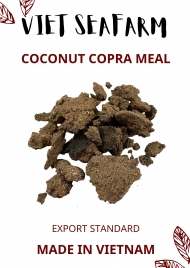
Where to import quality and reputable coconut milk?
Imported coconut milk is a product made from mature coconut meat, pressed and filtered to create a concentrated coconut milk with high fat content. However, the difference lies in the fact that the production process does not take place in Vietnam, but is carried out in countries with a strong coconut processing industry. After meeting the strict quality standards of the factory, the product is canned, boxed or bagged and exported to Vietnam.
.png)
Advantages of using imported coconut milk
Imported coconut milk is increasingly chosen by many families, tea shops, restaurants and food production facilities thanks to its series of outstanding advantages. Thanks to the modern production process, high quality standards and stable raw materials from major coconut growing areas in the world, imported coconut milk has a delicious flavor, harmonious fat content, natural smoothness and consistent quality between batches. This helps users feel secure in preparing dishes without worrying about separation, sourness or lack of fat.
Stable quality, standard fat content through each product
One of the biggest advantages of imported coconut milk is that the quality is always stable, regardless of the season or batch of raw materials. Countries such as Thailand, Malaysia or Indonesia have abundant sources of mature coconuts and are strictly controlled in quality. Thanks to that, imported coconut milk always maintains a standard fat content of 17% - 24%, giving a rich flavor, suitable for use in tea, curry, cakes and many other dishes.
Modern production technology helps preserve the flavor
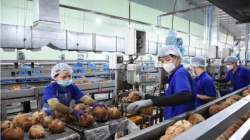
Imported coconut milk factories all use cold pressing technology, UHT sterilization, homogenization and sterile packaging, helping to preserve the natural fatty aroma of coconut while still ensuring food safety. This technology also helps the product have a smooth consistency, does not form lumps and is less likely to separate when heated or cooled.
Convenient, easy to use and time-saving
Compared to manually scraping coconut and squeezing coconut milk, imported coconut milk is much more convenient. Users only need to open the box to use it directly, without any pre-processing. This is especially suitable for:
Cheese shops, restaurants with a large number of customers
Industrial kitchens
Busy families who want to quickly cook sweet soups, curries, and sticky rice
This convenience helps save time, labor costs, and at the same time reduces the amount of wasted ingredients.
Meets international standards, safe and easy to preserve
Imported coconut milk often meets certifications such as HACCP, ISO, Halal, and is strictly inspected before export. Thanks to the modern sterilization process, the product has a long shelf life of 12-24 months without the need for toxic preservatives. In addition, canned products, paper boxes, or sterilized bags are very easy to preserve, transport, and store in warehouses.
High smoothness, enhancing the flavor and aesthetics of the dish
Another advantage that makes imported coconut milk popular is its natural smoothness, without separating when cooked with sweet soup or soup. This helps the dish become more beautiful, fatty, fragrant and attractive. Especially, with sweet soups such as green bean sweet soup, sticky potato sweet soup, pomelo sweet soup or cakes such as sponge cake, pig skin cake, imported coconut milk helps shape the characteristic flavor and increase the value of the dish.
.png)
What should you pay attention to when importing quality coconut milk?
To import coconut milk with high quality, stability and suitable for business needs, you need to pay attention to many important factors related to the source of goods, standards, legal procedures and quality inspection. Below are the most complete and detailed notes to help import coconut milk safely - effectively - legally.
Carefully understand the origin and reputation of the supplier
When importing coconut milk, the first important factor is to choose the right manufacturer with a clear brand, large scale and trusted by many countries. It is necessary to check the operating history of the factory, reviews from international customers, production capacity, quality stability through each shipment. A reputable source of supply helps limit risks such as poor quality goods, unstable fat content or substandard products when arriving in Vietnam.
Checking quality standards and international certifications
Coconut milk is a food product so it must meet strict safety standards. When working with suppliers, it is necessary to request full documents such as HACCP, ISO 22000, Halal, COA (test certificate), C/O (certificate of origin). This is the basis to ensure that the product meets standards, does not contain banned substances, has a safe production process and complies with Vietnam's import regulations.
Consider the ingredients and fat content suitable for the intended use
Not all types of coconut milk are the same. Products used to cook sweet soup or sticky rice will need a lower fat content than those used for ice cream, cakes or industrial production. You need to carefully check the fat content, viscosity, natural aroma and limit products containing too many stabilizers or artificial flavors that can affect the quality of the dish.
Choose the right packaging and packaging
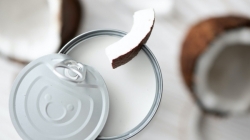
Coconut milk can be canned, packaged in paper boxes or sterilized bags. Depending on your business needs, choose the appropriate packaging. Most importantly, the packaging must be sturdy, not dented, not bulging, clearly printed and meet food safety standards. Standard packaging helps preserve the product better during long-distance transportation.
Ensure proper transportation and storage conditions
During international transportation, coconut milk needs to be kept in a dry environment, not exposed to high temperatures, and avoid direct sunlight on the container. When receiving the goods, check the condition of the boxes, cartons, and cans to see if they are bulging, leaking, or deformed. Proper transportation conditions help avoid the risk of product damage.
Comply with all import procedures according to Vietnamese regulations
To legally import coconut milk, you must carry out procedures such as registering for food safety inspection, declaring quality, completing customs documents, and attaching additional labels according to regulations. Missing documents or doing the wrong procedure can cause the goods to be held at the port or not circulated on the market.
Check samples before importing in bulk
Always ask suppliers to send samples to evaluate the smell, fat, viscosity, solubility and cooking stability. After testing in real dishes, you will easily choose the type that is most suitable for the Vietnamese market and avoid risks when importing large containers.
Clear and transparent contract negotiations
In the import contract, it is necessary to clearly state the shipping conditions according to Incoterms, delivery time, payment method, responsibility for defective goods, and compensation mechanism. This helps you avoid disputes and ensure your rights if there is a quality difference between the sample and the actual goods.
.png)
Vietseafarm imported coconut milk with prestige and quality?
VietSeaFarm is one of the units chosen by many customers when looking for imported coconut milk or coconut milk produced according to export standards. With a modern production process, clear standards and stable supply capacity, VietSeaFarm is considered a reputable address for individuals, eateries, restaurants and food businesses.
VietSeaFarm's coconut milk is produced from fresh old coconuts, going through the closed pressing - filtering - homogenizing - sterilization stages. Thanks to that, the product has a high fat content, natural coconut flavor, beautiful milky white color and limits separation. Sterilization technology helps increase preservation time while still retaining the characteristic flavor.
VietSeaFarm uses carefully selected coconut sources, with input quality control and clear traceability. This is an important advantage to ensure that users receive clean, unadulterated coconut milk, safe for health.
VietSeaFarm's coconut milk is trusted by many dessert shops, restaurants, and food production facilities because the fat content, viscosity, and aroma are always consistent between batches. This is very important for units that need stable quality to maintain the flavor of the dish.
VietSeaFarm not only consumes in the Vietnamese market but also exports to many countries. Meeting export standards shows that the product complies with strict regulations on food safety, packaging, and quality control.
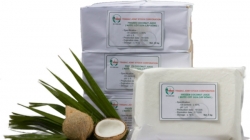
The product comes in many types such as cans, boxes, and sterilized bags, suitable for families, restaurants, or processing businesses. Diverse specifications make it easy to preserve, calculate costs, and use according to actual needs.
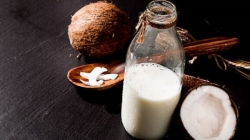
VietSeaFarm's coconut milk has a characteristic fat content, aroma, and viscosity, making it very suitable for desserts, sticky rice, cakes, curries, soups, etc., as well as recipes that require thick or fatty coconut milk.
Coconut milk is an important ingredient in many Vietnamese dishes, and choosing a reputable supplier is a decisive factor in the flavor and safety of the product. With a modern production process, clear source of raw materials, stable quality and the ability to meet export standards, VietSeaFarm has become one of the reliable choices for individuals, restaurants and food businesses. Whether you use it to cook sweet soup, make cakes, cook curry or produce industrially, VietSeaFarm's coconut milk brings convenience, peace of mind and consistent quality. Choosing the right supplier not only makes the dish more delicious, but also ensures the health and reputation of the user.
Reference: https://vietseafarm.com.vn/canned-coconut-milk-production-process-at-vietseafarm
Views: 13
 Dec 11, 2025
- 0
 Dec 9, 2025
- 0
 Dec 9, 2025
- 0
 Dec 9, 2025
- 0
 Dec 8, 2025
- 0
 Dec 8, 2025
- 0
 Dec 2, 2025
- 0
 Dec 2, 2025
- 0
 Dec 2, 2025
- 0
 Nov 23, 2025
- 0
 Nov 23, 2025
- 0
 Nov 23, 2025
- 0
 Nov 23, 2025
- 0
 Nov 18, 2025
- 0
 Nov 18, 2025
- 0
.png)
.png)